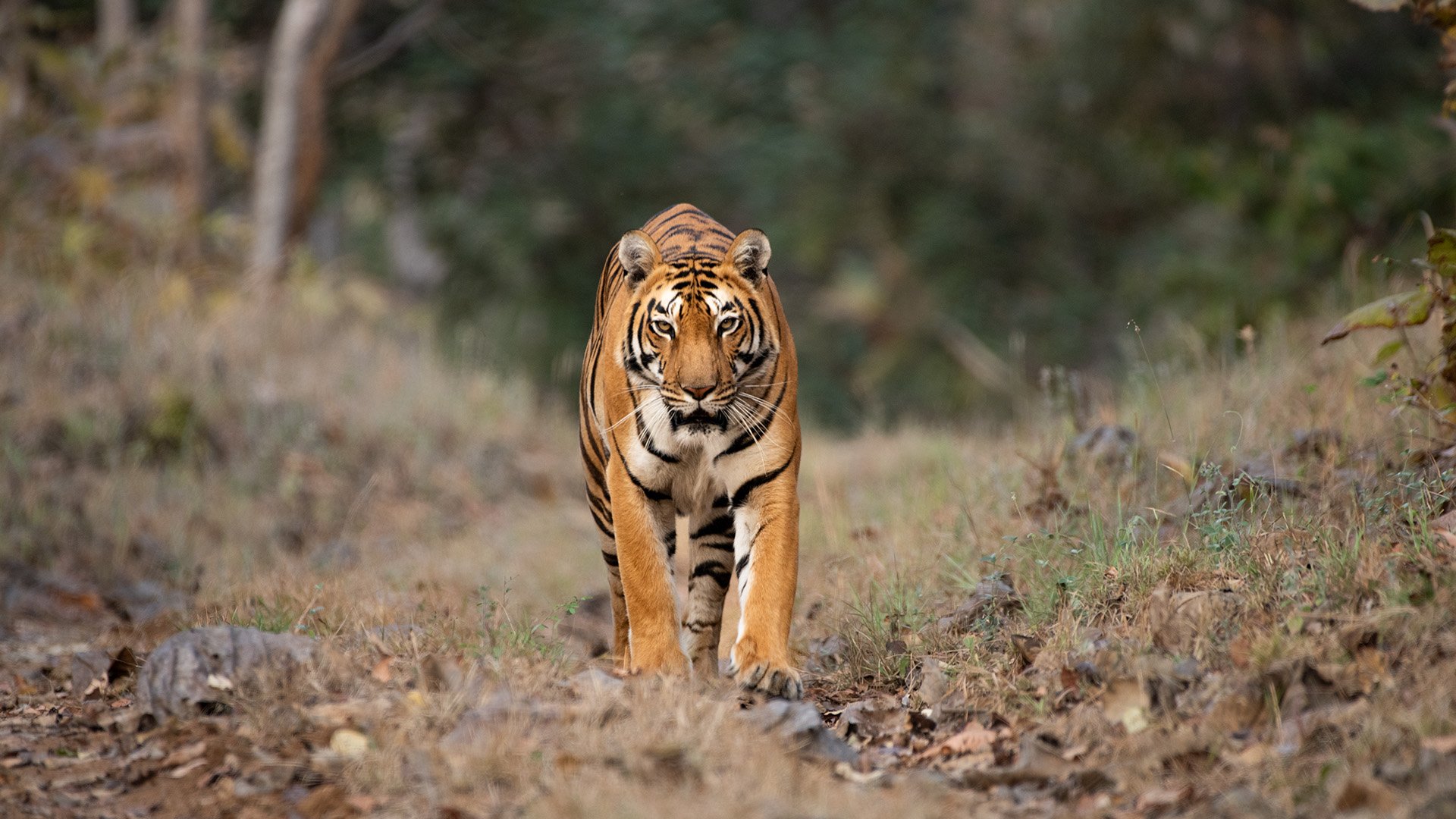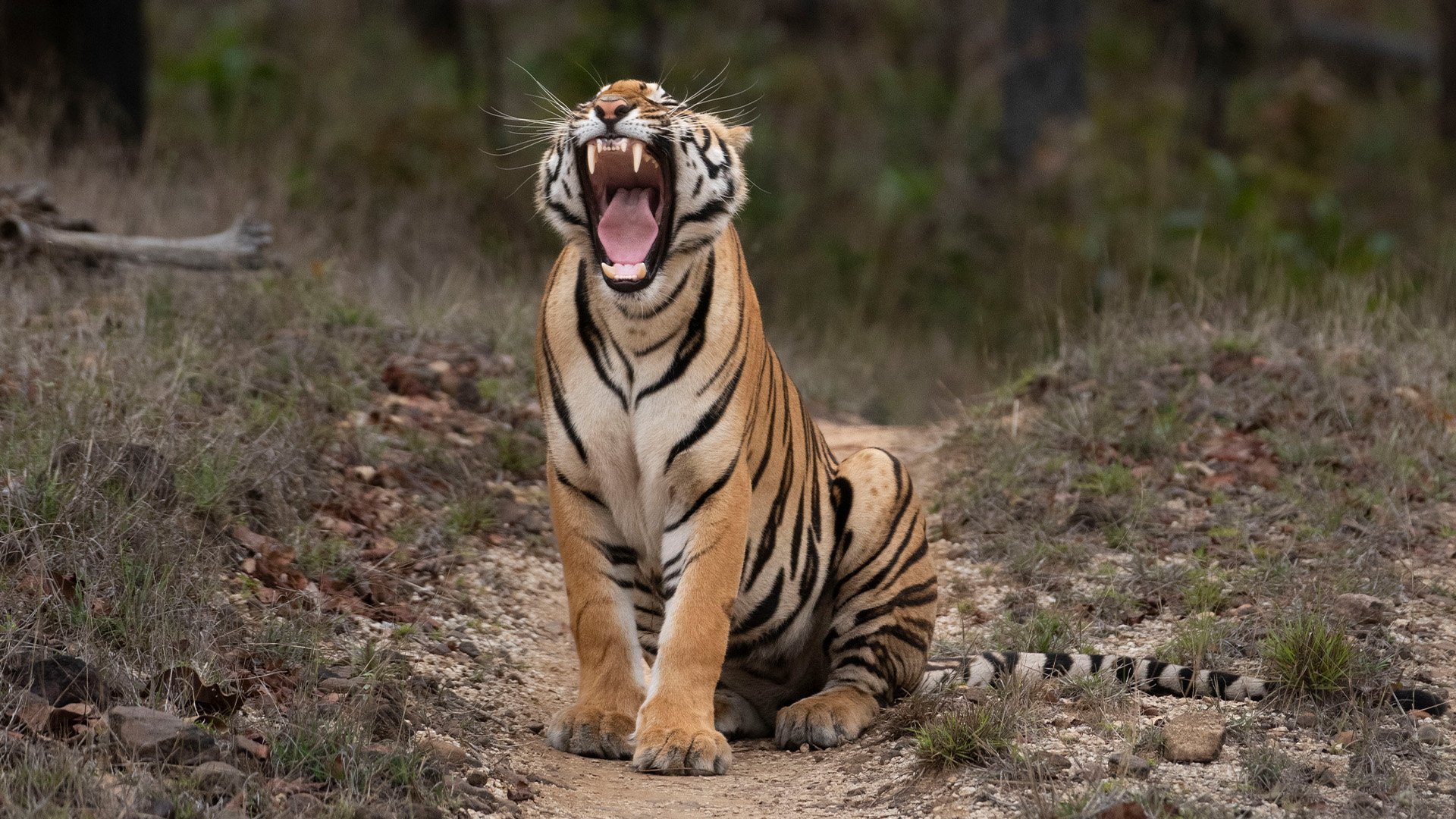
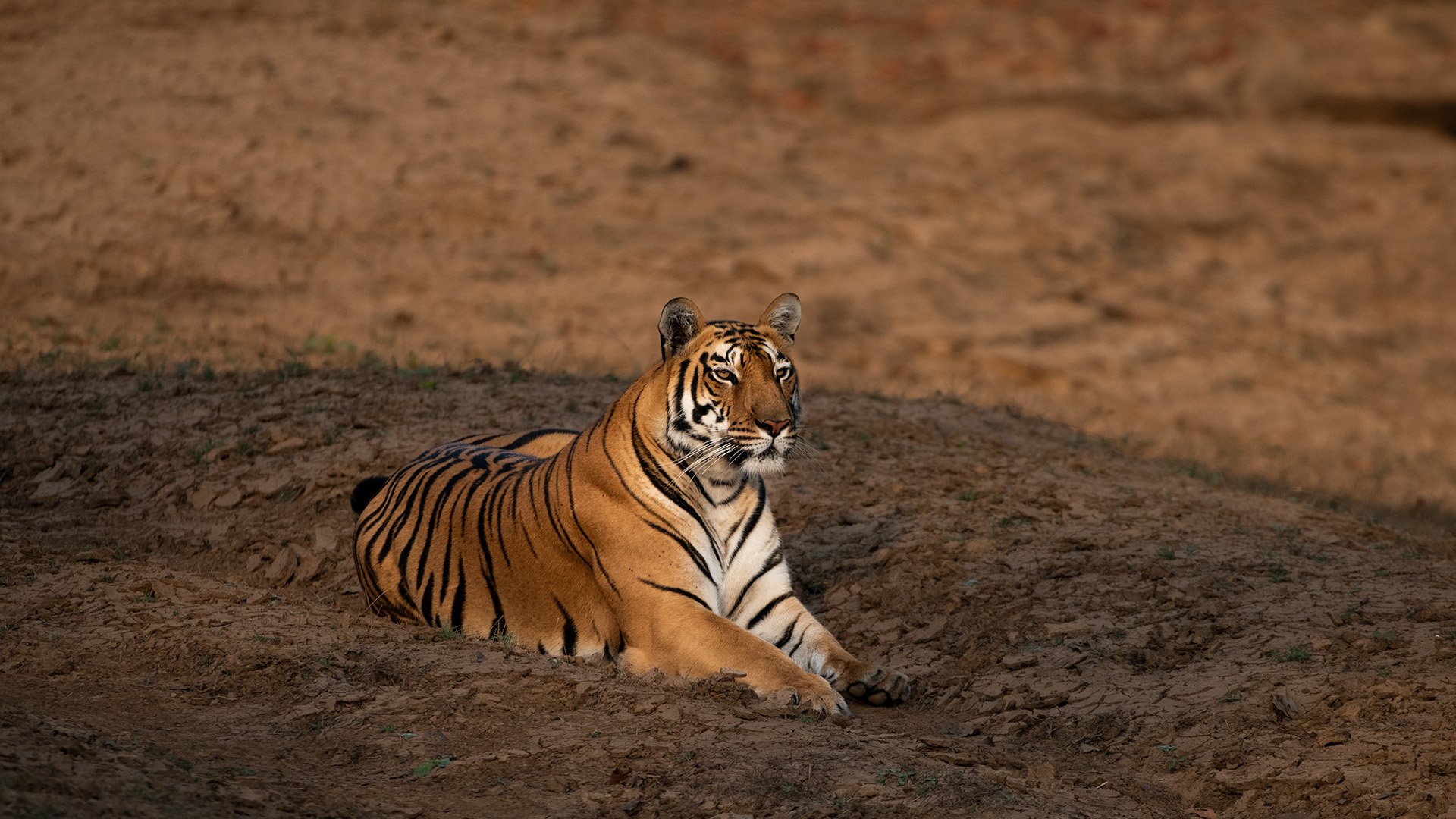
Imagine travelling through a beautiful forest surrounded by towering trees, rocky hills, flowing rivers and the sounds of wild birds. Somewhere in the forest, a deer moves quietly through the grass, a giant squirrel jumps between branches, and a leopard may be resting in the shade.
This is the kind of natural experience that makes Satpura Tiger Reserve special.
Located in Madhya Pradesh, India, Satpura Tiger Reserve is one of the most interesting wildlife destinations in Central India. Unlike destinations known mainly for tiger sightings, Satpura offers a much wider experience of nature, including diverse wildlife, beautiful landscapes, birdwatching, forest exploration and different types of permitted tourism activities.
Whether you are a wildlife enthusiast, photographer, nature lover or someone planning a family holiday, Satpura offers plenty of reasons to explore its forests.
In this guide, you will learn about Satpura Tiger Reserve, its location, wildlife, safari zones, best time to visit, travel options, accommodation and important information to plan your trip.
What Is Satpura Tiger Reserve?
Satpura Tiger Reserve is a protected wildlife landscape situated in the Satpura mountain range of Madhya Pradesh.
The reserve is located south of the Narmada River, primarily in the Narmadapuram region, with parts extending into the surrounding Betul and Chhindwara landscape.
It is an important conservation area that protects forests, grasslands, hills, rivers and several wildlife habitats.
The reserve is made up of three major protected areas:
-
Satpura National Park
-
Bori Wildlife Sanctuary
-
Pachmarhi Wildlife Sanctuary
Together with the surrounding buffer forests, these protected areas form a large and ecologically important landscape.
Satpura is particularly interesting because its forests are not limited to one type of vegetation. Visitors can experience different landscapes, including teak forests, sal forests, rocky hills, deep valleys and river-side habitats.
The name Satpura comes from Sanskrit words associated with seven folds or seven hills, reflecting the region's distinctive mountainous landscape.
Satpura Tiger Reserve – Quick Information
| Details | Information |
|---|---|
| Name | Satpura Tiger Reserve |
| Location | Madhya Pradesh, India |
| District | Narmadapuram and surrounding landscape |
| Nearest major city | Bhopal |
| Total area | 2,133.30 sq. km |
| Core area | 1,339.26 sq. km |
| Buffer area | 794.04 sq. km |
| National Park establishment | 1981 |
| Tiger Reserve | 1999–2000 |
| Famous Safari Areas | Madhai, Churna, Mallupura, Panaarpani |
| Major Attractions | Wildlife, forests, rivers, hills and birdwatching |
| Main Safari Experience | Jeep Safari |
| Other Permitted Experiences | Walking, canoeing and other nature activities, subject to regulations |
Where Is Satpura Tiger Reserve Located?
Satpura Tiger Reserve is situated in the Satpura mountain range of Central India, in Madhya Pradesh.
The reserve lies south of the Narmada River and forms an important part of the Central Indian highlands ecosystem.
Its location makes it accessible from several important cities, including Bhopal, Nagpur and Jabalpur.
The region is known for its natural beauty, with forest-covered hills, valleys, rivers and rocky landscapes.
One of the most popular wildlife tourism entry areas is Madhai, located near the Denwa River.
Other important tourism entry areas include Churna and Panaarpani near Pachmarhi.
Visitors should select their travel route according to their actual safari gate because different entry points have different road approaches.
Satpura National Park vs Satpura Tiger Reserve – What Is the Difference?
Many visitors use the names Satpura National Park and Satpura Tiger Reserve interchangeably. However, they are not exactly the same.
Satpura National Park is one of the protected areas that forms part of the larger Satpura Tiger Reserve.
Satpura Tiger Reserve is a much wider conservation landscape that includes Satpura National Park, Bori Wildlife Sanctuary, Pachmarhi Wildlife Sanctuary and surrounding buffer areas.
Here is a simple comparison:
| Satpura National Park | Satpura Tiger Reserve |
|---|---|
| A protected national park | A larger tiger conservation landscape |
| Covers approximately 483.88 sq. km | Covers approximately 2,133.30 sq. km |
| Forms part of the core habitat | Includes core and buffer areas |
| Protects forest and wildlife habitats | Provides a broader conservation landscape |
Understanding this difference helps visitors select the correct destination and understand why different tourism gates are associated with Satpura Tiger Reserve.
History of Satpura Tiger Reserve
Satpura has an important place in India's forest conservation history.
The region was explored by Captain James Forsyth during the nineteenth century. Its forests and natural resources later became an important part of India's protected forest network.
Satpura National Park was established in 1981.
The wider landscape was subsequently brought under Project Tiger, with the tiger reserve designation dating to 1999–2000.
The inclusion of Bori and Pachmarhi Wildlife Sanctuaries, along with surrounding forest areas, helped establish a larger conservation landscape.
Today, Satpura Tiger Reserve is recognised for its ecological importance and diverse natural habitats.
Its conservation value extends beyond tigers to numerous mammals, birds, reptiles, plants and other organisms.
Wildlife in Satpura Tiger Reserve
One of the biggest attractions of Satpura Tiger Reserve is its biodiversity.
According to the official reserve information, the area supports approximately 52 species of mammals, 31 species of reptiles and more than 300 species of birds.
The forests provide habitats for different wildlife species, from large carnivores to small mammals and colourful forest birds.
1. Bengal Tiger
The Bengal tiger is one of the most important animals protected in Satpura.
The reserve provides suitable forest habitats and prey resources for this iconic big cat.
Tiger sightings are possible during wildlife safaris, but visitors should remember that these animals move freely in their natural habitat.
A tiger sighting is never guaranteed.
2. Indian Leopard
Leopards are another important predator found in the Satpura landscape.
They are highly adaptable animals and can live in different forest habitats.
Because leopards are naturally elusive, spotting one during a safari can be an exciting experience.
3. Sloth Bear
Satpura is also known for its sloth bear habitat.
These animals generally feed on insects, fruits and other natural food sources.
Sloth bears are usually shy and prefer to avoid human contact, making responsible safari behaviour particularly important.
4. Indian Gaur
The Indian gaur, also known as the Indian bison, is one of the largest wild cattle species.
It is a powerful herbivore that can often be associated with forest clearings and suitable feeding habitats.
Seeing a herd of gaur in its natural surroundings can be an impressive wildlife experience.
Birds of Satpura Tiger Reserve
Satpura is an interesting destination for birdwatchers.
The combination of forests, water bodies, grasslands and hills creates habitats for a wide variety of resident and migratory birds.
Some notable birds associated with the region include:
-
Malabar pied hornbill
-
Malabar whistling thrush
-
Paradise flycatcher
-
Indian skimmer
-
Crested serpent eagle
-
Various kingfishers
-
Different species of woodpeckers
-
Seasonal migratory waterbirds
Birdwatching can be enjoyed during forest visits and in suitable areas around water bodies.
For bird photographers, early morning is often a rewarding time to observe bird activity.
Visitors should carry binoculars and avoid disturbing birds or approaching nests.
Forests and Natural Landscape of Satpura
The natural beauty of Satpura is one of its biggest attractions.
The landscape includes different types of vegetation and geographical features.
Teak Forests
Teak forests are an important part of the lower hill ranges.
These forests provide shelter and feeding opportunities for several wildlife species.
During different seasons, the appearance of teak forests changes considerably.
Sal Forests
Sal forests are associated with the higher parts of the Pachmarhi plateau.
They create a distinctive forest environment and contribute to the region's ecological diversity.
Hills and Valleys
Satpura is known for its rugged terrain, sandstone formations, deep valleys and natural streams.
These geographical features make the landscape visually different from many other tiger reserves in Central India.
Rivers and Water Bodies
The Denwa River and Tawa Reservoir are important natural features associated with the region.
They contribute to the area's scenic beauty and provide habitats for aquatic and semi-aquatic wildlife.
Safari Zones in Satpura Tiger Reserve
Satpura Tiger Reserve has multiple designated wildlife tourism zones.
Visitors should understand the different entry areas before booking a safari.
The major core safari areas include Madhai, Bheemkund (Churna), Mallupura and Panaarpani (Pachmarhi).
Some recognised buffer tourism areas include Burgodi, Jamani Dev, Parsapani and Tamia Delakhari.
1. Madhai Safari Zone
Madhai is one of the most popular safari entry areas in Satpura Tiger Reserve.
It is located near the Denwa River and offers a beautiful combination of forest landscapes, water bodies and wildlife habitats.
Visitors can experience jeep safaris and explore the permitted tourism areas with authorised guides.
The Madhai area is also a convenient base for visitors looking for accommodation near the safari gate.
It is particularly suitable for travellers who want to experience Satpura's forest environment while staying near the main wildlife tourism area.
2. Churna Safari Zone
Churna is another important core tourism area of Satpura Tiger Reserve.
It is known for its forest surroundings and relatively remote wilderness experience.
Visitors interested in exploring the deeper forest landscape often consider Churna while planning their Satpura trip.
The approach route and safari arrangements may differ from Madhai, so check the selected gate carefully before booking.
What Makes Satpura Safari Different from Other Tiger Reserves?
Many visitors compare Satpura with other popular wildlife destinations such as Kanha, Bandhavgarh and Pench.
Each reserve has its own landscape and tourism experience.
Satpura stands out because it offers a broader range of nature-based experiences.
1. More Than Just Tiger Sightings
Although Satpura is a tiger reserve, visitors can enjoy much more than searching for big cats.
The forests support diverse mammals, birds, reptiles and plant species.
Even without a tiger sighting, visitors can enjoy observing the natural environment.
2. Walking Safari Experience
Satpura is particularly notable for its permitted walking safari experiences.
Unlike the usual jeep-only wildlife experience, authorised walking activities allow visitors to explore nature on foot under the supervision of forest personnel and trained naturalists.
Walking safaris are subject to specific routes, regulations and availability.
Visitors must never enter restricted forest areas independently.
3. Canoeing and Boating Experiences
Water-based nature experiences are another attraction associated with the Satpura region.
Canoeing and boating activities may be available in designated areas, subject to official permissions and seasonal conditions.
These experiences offer a different way to appreciate the surrounding landscape and aquatic birdlife.
4. Beautiful Forest Landscapes
Satpura's hills, valleys, sandstone formations, rivers and dense vegetation create a unique natural environment.
For landscape photographers, the reserve offers plenty of opportunities beyond animal photography.
Where to Stay Near Satpura Tiger Reserve?
Accommodation is an important part of planning a wildlife holiday.
Visitors can choose from different accommodation options depending on their budget, preferred safari gate and travel style.
Resorts Near Madhai
Madhai has several accommodation options around its wildlife tourism area.
Visitors can choose from forest-oriented stays, private resorts, eco-lodges and other properties.
Staying near Madhai can be convenient for visitors planning morning and evening safaris from this gate.
Accommodation in Pachmarhi
Pachmarhi offers a wider range of accommodation choices.
It is suitable for travellers who want to combine wildlife tourism with sightseeing and a hill-station holiday.
Forest Rest Houses and Nature Stays
Forest department accommodation and other permitted nature-based stays may be available in selected areas.
Availability, booking rules and access conditions differ, so confirm directly with the authorised accommodation provider.
Why Is Satpura Tiger Reserve Important for Wildlife Conservation?
Satpura is important not only as a tourism destination but also as a major wildlife conservation landscape.
Its large forest ecosystem provides habitats for several endangered and ecologically important species.
The reserve also helps maintain connections between forest habitats in Central India.
Its conservation importance includes:
Tiger Conservation: Protecting suitable habitat for Bengal tigers and their prey.
Biodiversity Protection: Supporting a wide range of mammals, reptiles, birds and plant species.
Forest Conservation: Maintaining teak, sal and mixed deciduous forest ecosystems.
Habitat Protection: Conserving rivers, valleys, grasslands and other natural environments.
Ecotourism: Providing regulated nature-based tourism opportunities while encouraging awareness about conservation.
Responsible visitors play an important role by following park rules and respecting the natural environment.
Frequently Asked Questions About Satpura Tiger Reserve
1. Where is Satpura Tiger Reserve located?
Satpura Tiger Reserve is located in Madhya Pradesh, India, south of the Narmada River in the Satpura mountain range. Its administrative headquarters are in the Narmadapuram region.
2. What is the total area of Satpura Tiger Reserve?
Satpura Tiger Reserve covers approximately 2,133.30 square kilometres, including 1,339.26 square kilometres of core area and 794.04 square kilometres of buffer area.
3. Is Satpura Tiger Reserve and Satpura National Park the same?
No. Satpura National Park is one of the protected areas forming part of the larger Satpura Tiger Reserve, which also includes Bori Wildlife Sanctuary, Pachmarhi Wildlife Sanctuary and surrounding buffer areas.
4. What animals can be seen in Satpura Tiger Reserve?
Satpura supports tigers, leopards, sloth bears, Indian gaurs, sambar deer, spotted deer, wild dogs, giant squirrels and many other animals. Sightings depend on natural conditions and are not guaranteed.
5. Which is the most popular safari zone in Satpura?
Madhai is one of the most popular safari entry areas. Churna, Mallupura and Panaarpani are other recognised core tourism zones.
Plan Your Visit to Satpura Tiger Reserve
Satpura Tiger Reserve is much more than a destination for tiger sightings. It is a diverse natural landscape where forests, rivers, hills and wildlife come together.
From exploring the popular Madhai safari area to discovering the forest landscapes of Churna and Pachmarhi, every part of the region offers something different.
Whether you are interested in wildlife photography, birdwatching, jeep safaris or simply spending time in nature, Satpura provides an opportunity to experience the beauty of Central India's wilderness.
Before planning your trip, check the latest safari availability, entry rules, timings and permitted activities through official forest department sources.
Explore Satpura, respect its wildlife and experience the natural beauty of Madhya Pradesh.
Ready to plan? Browse our Satpura safari packages, explore Madhai accommodation or contact our team.